INTEGRATED PEST MANAGEMENT FOR BUSINESS FACILITIES
Commercial Pest Management for Medium & Large Facilities in Attica
Structured, year-round pest management for corporate buildings, logistics and distribution centres, industrial sites, institutional properties and other medium-to-large facilities across Athens and Attica.
Advance Service provides commercial pest management for facilities where a single treatment is not enough. We work with property and facility teams on planned inspections, rodent and insect monitoring, targeted interventions and practical site-protection measures.
12-month insect and rodent management programs with an initial technical assessment, an agreed service schedule and inspection documentation appropriate to each site.
Your building is treated as an operating system—not a collection of isolated pest complaints. We assess access points, loading areas, service shafts, shared spaces, outdoor perimeters and the conditions that allow pest activity to spread. Our objective is consistent oversight and accountable follow-up, not unnecessary spraying.
FOR FACILITY DECISION-MAKERS
For facility managers, property managers, operations directors, procurement teams, maintenance managers, EHS/quality personnel and outsourced facility-management providers looking for a specialist partner in Attica.
A practical fit for businesses that require scheduled site visits, defined responsibilities, documented findings and a provider who can coordinate work around building operations.
Facilities We Serve
- Corporate headquarters, office towers and multi-tenant business complexes
- Logistics centres, distribution hubs, warehouses and loading facilities
- Factories, manufacturing plants and non-food production premises
- Food-processing facilities and operations with HACCP-related requirements
- Private institutions, foundations and large managed properties
- Commercial properties with extensive grounds, plant rooms or multiple sites
We focus on medium and large commercial facilities in Athens and Attica, particularly multi-zone premises, sites with daily goods movement, sensitive work areas or recurring pest-management requirements.
A 12-month service agreement is determined by operational complexity and risk—not floor area alone. If your facility needs coordinated, recurring inspections rather than an isolated domestic-style visit, we can assess the scope.
Service Coverage Across Attica
We serve commercial sites in Agios Stefanos, Kryoneri, Acharnes, Metamorfosi, Koropi, Paiania, Aspropyrgos, Mandra, Magoula and Elefsina, alongside Marousi, Kifisia, Chalandri and other business districts across Attica. Site suitability and travel arrangements are confirmed before a proposal.
Different Facilities. Different Pest Risks.
A corporate office tower does not face the same pest pressures as a distribution centre. The service is designed around how the premises function, where pests can enter and what a failure would disrupt.
Corporate Buildings & Office Complexes
Shared floors, parking levels, waste rooms, risers, service areas, staff kitchens and building perimeters. We coordinate monitoring and access with property management while keeping records that can be reviewed across the site.
Logistics, Distribution & Warehousing
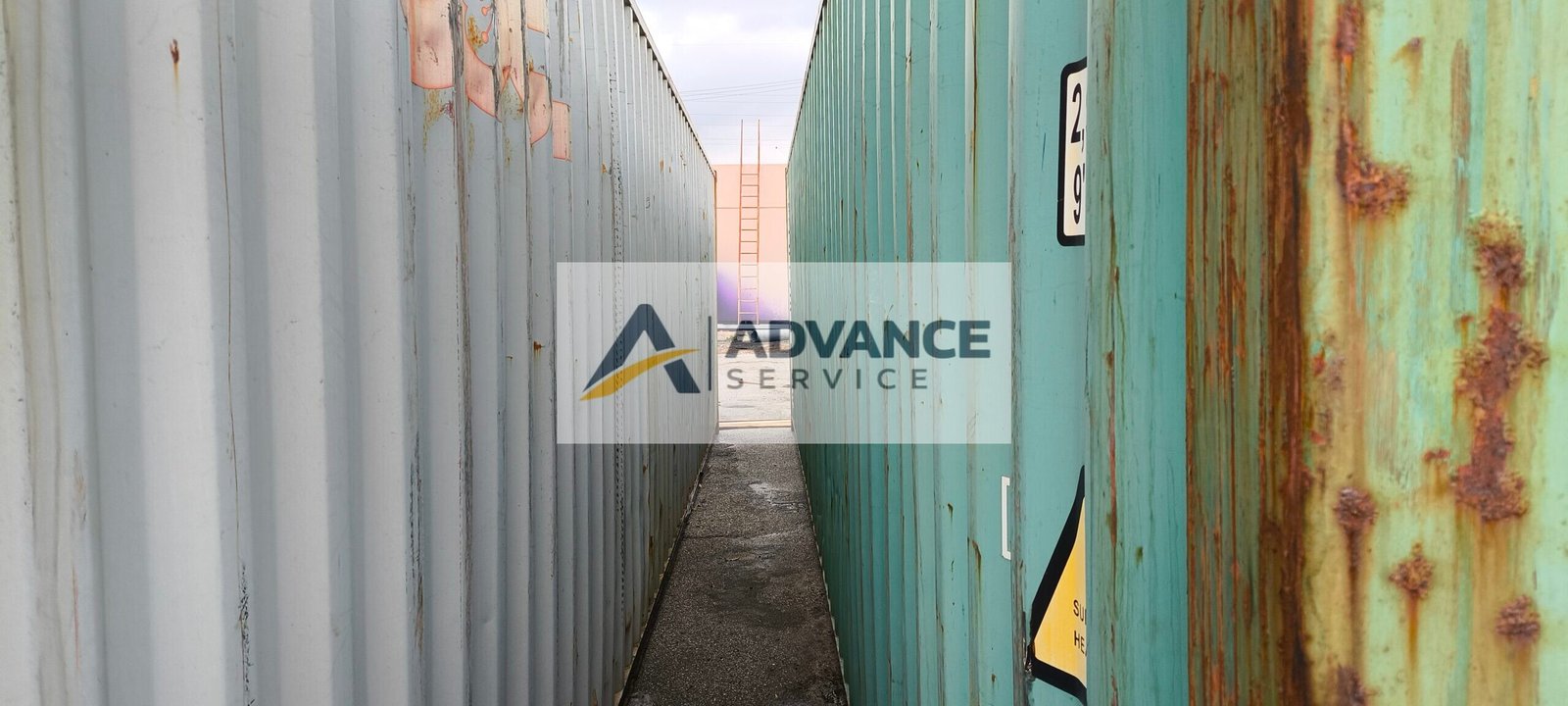
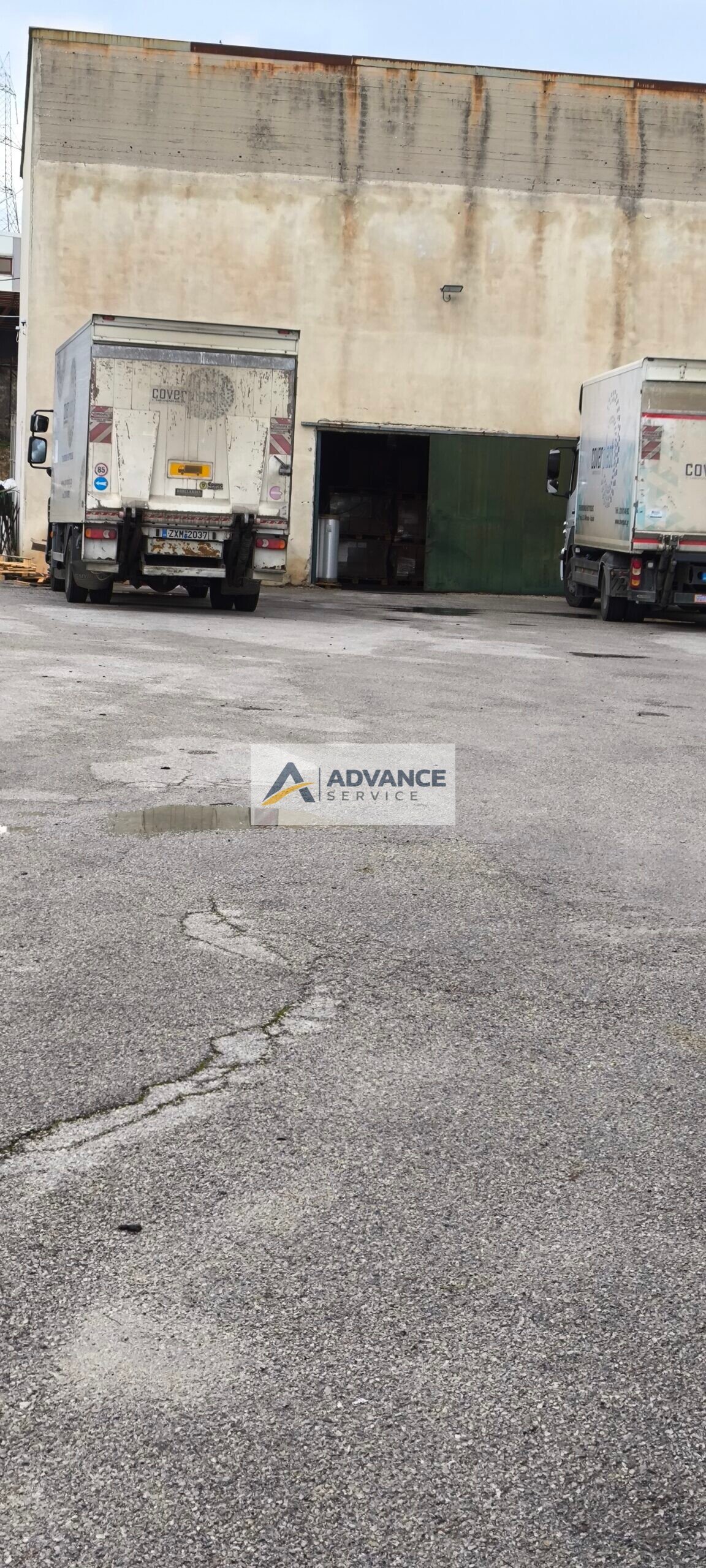
Loading doors, incoming goods, pallets, external yards and constant vehicle movement create changing exposure. Perimeter management, mapped monitoring and follow-up around high-traffic points are central to the plan.
Industry, Production & Managed Institutions
Production schedules, asset sensitivity, technical spaces and internal control procedures influence the service. Monitoring, maintenance recommendations and targeted measures are coordinated with the team responsible for the premises.
What Our Commercial Pest Management Program Includes
Insect Control in Complex Facilities
Control of cockroaches and other crawling insects, flies, ants, wasps and other relevant pests in operational areas, service rooms, basements and entry points. Inspection and monitoring are used to identify likely sources before selecting a treatment.
Rodent Control & Perimeter Protection
Site-specific rodent management with mapped, numbered monitoring points and suitable secured stations. We assess the property boundary, building perimeter, delivery bays, basement areas, utility corridors and drainage-related access points. External and internal zones may require different control methods and inspection intervals.
Monitoring, Site Mapping & Inspection Reporting
Where agreed, the program includes a site plan with numbered monitoring locations, an inspection register and written reports. Records can support internal reviews, contractor oversight and, where relevant, the site’s own quality-management and HACCP procedures.
Documentation for Management & Quality Teams
Depending on the risk assessment and agreed service scope, the management file may include:
- Initial technical assessment and site mapping with defined risk zones, numbered monitoring points and relevant trap locations.
- Monitoring-point register and visit records showing dates, inspected locations, equipment condition, captures or activity indicators and actions completed.
- Findings and trend history to support comparisons between inspections, with written recommendations for corrective action.
- Service certificates and product information, including relevant approvals and safety data sheets where applicable.
These records can contribute to HACCP-related procedures or an organisation’s ISO 9001 quality-management processes, where applicable. They do not amount to HACCP or ISO certification and do not replace the client’s own obligations.
Multi-Floor Buildings & Hard-to-Reach Areas
In multi-storey buildings, pest activity can travel through service risers, cable routes, basements, plant rooms and shared areas. We investigate the wider building context rather than repeatedly treating only the place where a pest was seen.
Pest Prevention & Structural Risk Recommendations
We flag conditions that encourage infestation, including gaps around doors and loading bays, pipe penetrations, damaged screens, drainage defects and waste-storage arrangements. Structural repairs and other corrective works are performed by the client’s maintenance team or under a separate agreed scope.
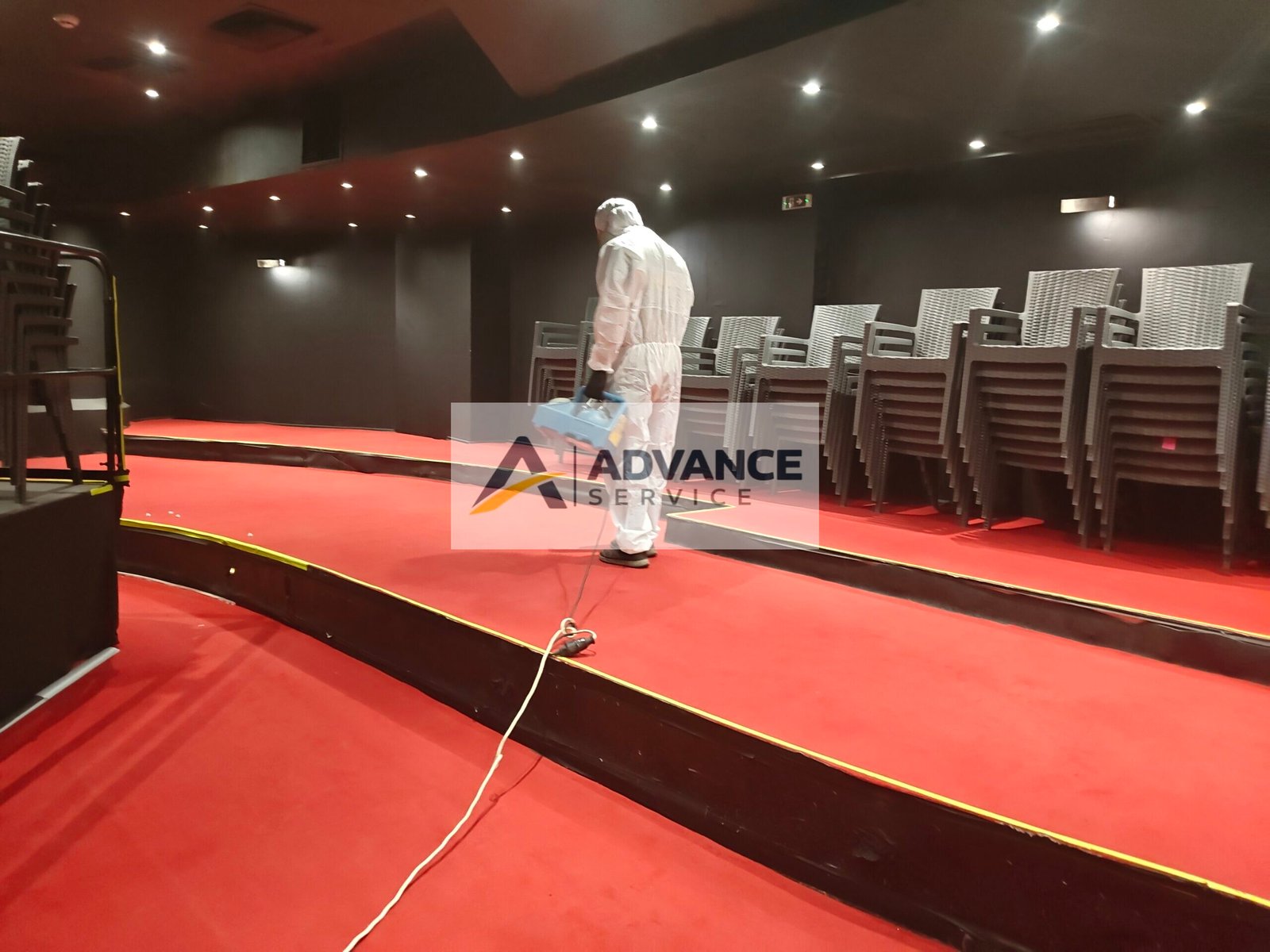
Targeted Disinfection Services When Required
Where a site-specific requirement is identified, targeted disinfection services can be assessed separately from the routine pest-management program.
Planning considers the affected areas, the work of cleaning and maintenance teams, site access and safe-use instructions. Disinfection does not replace routine cleaning and is not a medical treatment.
Bird Deterrent Solutions for Buildings & Warehouses
Where appropriate, we assess bird-deterrent options such as netting, spikes or wire systems for loading canopies, façades, light wells and warehouse openings. Design, access and installation costs are assessed separately.
GETTING STARTED
An Agronomist-Led Site Assessment and a Scope-Based Proposal
The engagement begins with a technical review of the building, surrounding areas, operating conditions and relevant pest history. The resulting proposal sets out site coverage, visit frequency, monitoring arrangements, reporting and any separately priced work.
How a 12-Month Pest Management Program Works
The plan is not a preset number of pesticide applications. It is built around inspection findings, facility use, operational sensitivities and an agreed schedule. Interventions are targeted when needed, with preventive controls and monitoring forming the foundation.
-
On-site review and baseline: examine the premises, surrounding land, pest history and movement of people and goods.
-
Risk zones and priorities: distinguish boundary, building perimeter, delivery points, indoor areas and sensitive operations.
-
Monitoring plan: specify numbered trap and inspection locations and the methods suitable for each zone.
-
Prevention and targeted control: combine access-point improvements, housekeeping advice, monitoring and intervention when justified.
-
Scheduled inspections: check agreed points, record activity and equipment status and document any action taken.
-
Review and adjustment: examine repeat findings, recommend corrections and revise the program where evidence warrants.
Visit times and any treatment windows are coordinated with your facility team and, where relevant, security, cleaning and maintenance. Shift patterns, controlled-access spaces and production requirements are considered in planning.
What Your Management Team Gains
Visibility: a defined inspection plan, recorded findings and traceable monitoring locations.
Accountability: clear responsibilities for pest treatment, housekeeping recommendations and structural repairs.
Operational coordination: visits and interventions planned around building access, shifts and sensitive activities.
Continuity: a repeatable service process with inspection history rather than disconnected emergency call-outs.
The commercial objective is better risk control, fewer avoidable disruptions and a clear record of actions. Pest activity cannot realistically be guaranteed to remain at zero in an active facility, particularly where goods, people and vehicles move continuously.
Examples From Our Work
PROJECT EXAMPLE 01
Printing Facility: Rodents & Flies
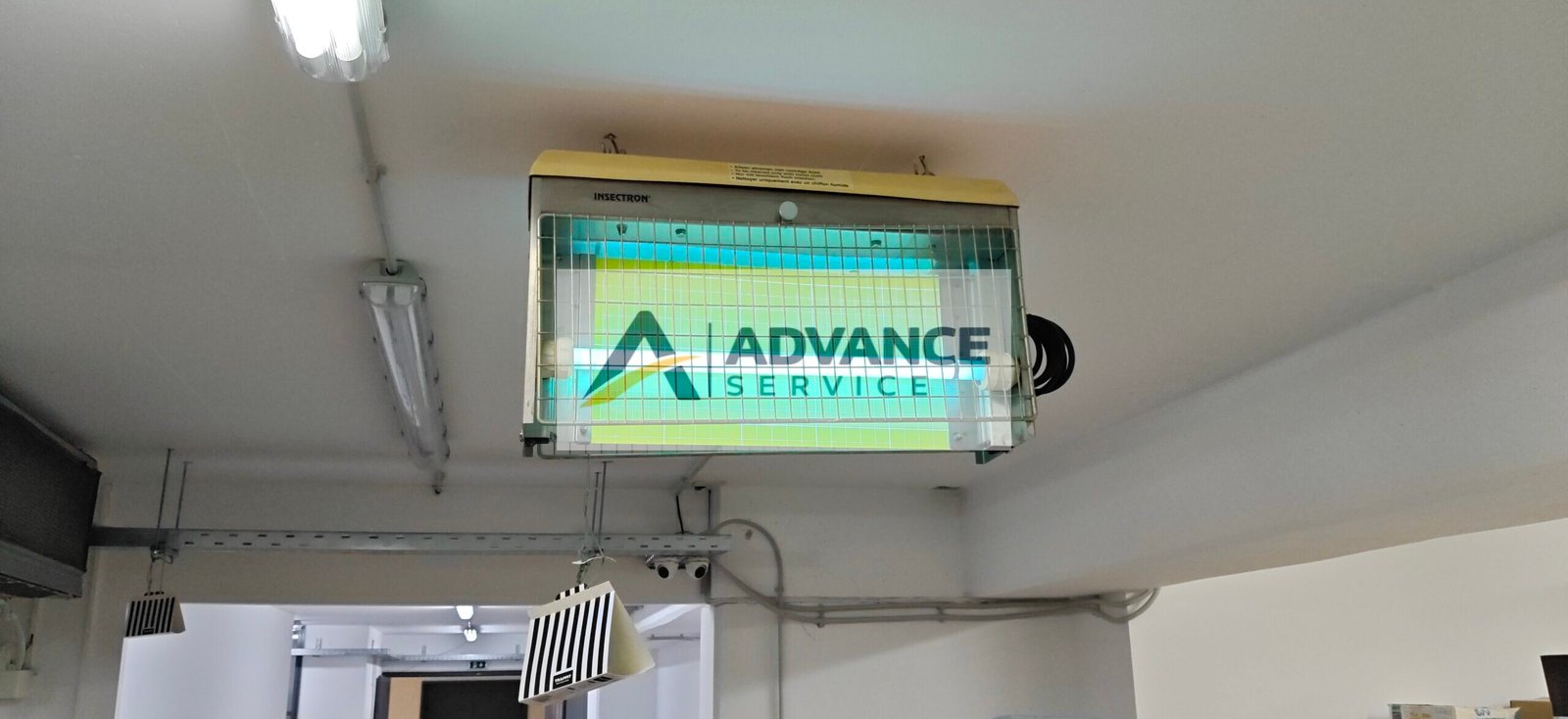
At a large printing facility, rodent activity was addressed through two control zones: one around the property and another around the building. Flies were also landing on print materials. Strategically positioned electric flying-insect traps near relevant entry areas formed part of the response.
PROJECT EXAMPLE 02
Food-Processing Facility: Stored-Product Beetles & Small Cockroaches
At a food-processing operation, insect traps were installed to monitor cigarette beetles. Follow-up monitoring recorded a gradual reduction in activity. In a separate incident involving small cockroaches at the same facility, the response combined monitoring with a targeted gel application.
Why Advance Service
- Qualified agronomist-led service: professional insect and rodent control; Greek Ministry of Rural Development and Food business notification No. 6454/2018.
- Professional sector involvement: alternate board member of SEAME, the Greek pest-management trade association.
- Knowledge of HACCP-related pest management and documentation, while supporting sites well beyond the food sector.
- Business liability insurance; relevant policy particulars can be supplied during supplier evaluation.
- Risk-based, inspection-led service with prevention, documented findings and proportionate interventions—not routine spraying for its own sake.
FREQUENTLY ASKED QUESTIONS
Before You Commission a Commercial Pest Management Program
How is an ongoing management program different from a one-off treatment?
A one-off treatment addresses a particular incident. An ongoing program brings together scheduled inspections, monitoring history, documented corrective actions and periodic review so recurring problems can be investigated at source.
How often should a logistics hub or warehouse be inspected?
There is no universal inspection interval. Goods movement, adjoining land, entry points, operating conditions and historical findings all influence frequency. Higher-risk areas may require closer attention. The agreed schedule follows the initial assessment.
Do non-food office buildings need written pest-control records?
Requirements differ by property and industry. Even where a particular documentation file is not specifically mandated, facilities often need records for internal accountability, supplier reviews and maintenance planning. Documentation is defined in the service agreement.
How do you manage a multi-storey or multi-tenant property?
We establish a property-wide approach and agree which shared areas, floors and tenanted spaces are included. Reporting can be consolidated or organised by zone, building or department, depending on the site and contract.
What happens if a serious pest issue appears between scheduled visits?
Unexpected or high-risk findings are assessed under the escalation procedure agreed with the client; they are not simply left until the next routine visit.
Depending on the case and availability, a 24–48-hour response may be arranged. Emergency visits and additional treatments may be covered by the agreement or charged separately, as defined in the contract. This is not a universal guaranteed response time.
FOR MEDIUM AND LARGE BUSINESS FACILITIES
Request a Facility Assessment
Tell us the site type, location, approximate floor area, operational hours and the main issue or contract requirement. We will determine the appropriate next step for a technical assessment and a site-specific proposal.
Direct enquiries: info@advanceservice.gr · +30 215 215 1277